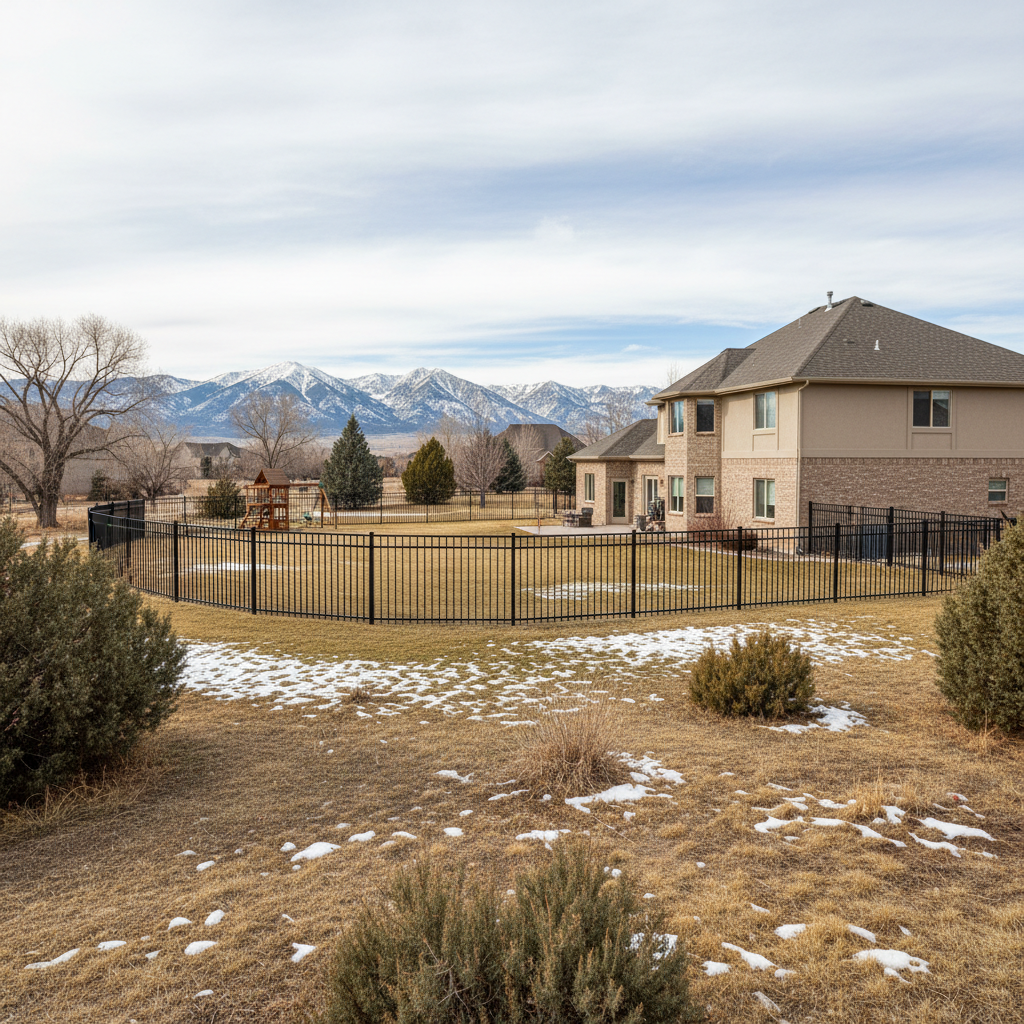
Have you ever thought about the best time to put up that new Aluminum Fence you have been looking at? It is not just about picking a sunny day. Our Ogden weather really affects how smoothly the job goes as well as how long your fence lasts. Ogden Fencing Company has been setting posts and hanging panels around here for many years. We have seen a lot of different things. Let us talk about what you need to know for Aluminum Fence Installation and care, season by season.
When to Schedule Your Aluminum Fence Installation
You might think summer would be the best time for any outdoor project. That is not always true. Mild temperatures are usually good for Fence Installation. However, very hot weather can actually slow things down as well as affect the materials. Here is what Ogden Fencing Company suggests for homeowners in Ogden:
- Spring (Late March - May): This is often a very good time. The ground has usually thawed out from winter. This makes digging post holes much easier. In addition, the moderate temperatures are perfect for our crew as well as for any concrete curing. Booking your Aluminum Fence Installation in early spring can also help you avoid the summer rush.
- Fall (September - November): This is another excellent time. The weather is cooling down, but the ground is still easy to work with. You will avoid the intense summer heat. You can also get your new Aluminum Fence in before the really cold, snowy weather starts.
- Summer (June - August): Installing an Aluminum Fence in summer is possible, but you have to think about the heat. Our Ogden summers can get very hot. This can affect both the crew and sometimes even the materials. If you are planning a summer Aluminum Fence Installation, try to aim for early summer. You can also be ready for work to happen during cooler parts of the day.
- Winter (December - February): This is usually the hardest time for Aluminum Fence Installation. Frozen ground makes digging a real challenge. Very cold weather can also affect how concrete sets. Some contractors might work in milder winter conditions. However, if the ground is frozen more than a foot deep, it is generally not good for proper post stability. If you can find a good weather window, sometimes contractors have more availability in the colder months.
Weather Conditions That Affect the Work
Our local climate here in Ogden brings many different conditions. It definitely affects Fence Installation work. You have to think about more than just the temperature:
- Soil Conditions: Ogden's soil can be different in various places. If you live up on the East Bench, you might have rocky, clay-heavy soil. This type of soil needs special methods for stable posts. Ogden Fencing Company always sets posts deep in concrete to prevent shifting. This is especially important with our freeze-thaw cycles.
- Rain and Snow: Heavy rain or very wet ground can make a job site muddy. This makes it tough to dig. It also makes it hard for concrete to cure correctly. Snow accumulation can hide things and make conditions slippery as well as unsafe.
- High Winds: Strong winds are common in some of our canyon areas. They can make handling large fence panels difficult as well as dangerous. High winds can also affect precision during the Fence Installation process.
- Extreme Temperatures: As we mentioned, very hot or very cold weather can affect the crew's safety as well as the materials. Vinyl, for example, can expand in heat and become brittle in very cold weather. Aluminum is much more stable in these conditions.
Protecting Your Aluminum Fence Year-Round
One of the best things about Aluminum Fencing is how strong and low-maintenance it is. This is especially true compared to other materials. An Aluminum Fence is naturally rust-proof. It will not corrode, peel, or rot. This is true even with our freeze-thaw cycles as well as our snowy winters. This is a big benefit for homeowners in Ogden!
However, "low-maintenance" does not mean "no-maintenance." Here is how to keep your Aluminum Fence looking good:
- Regular Cleaning: A quick spray with the hose sometimes is usually all it needs to stay clean. This helps remove dust and pollen buildup. This is very helpful after our dry spells.
- Seasonal Inspections: You should check your Aluminum Fence a few times a year. Look for any loose fasteners or panels. Aluminum will not rust. However, you should still check joints or areas close to the ground for any signs of corrosion. This is rare with a quality powder coat finish.
- Clear Debris: Keep plants trimmed back from the fence line. Heavy snow can cause branches to bend and damage your Aluminum Fence. Also, make sure no heavy objects are leaning against it.
- Snow Management: If you get a lot of snow, try to clear accumulation from fence lines. Aluminum is strong. However, too much weight can still stress it. If your rooflines dump snow onto your fence, you might want to consider snow guards.
- Protective Coatings (if needed): Most good Aluminum Fences come with a powder-coated finish. This finish is made to resist our weather. If you ever see worn spots, touching them up can add more protection.
Aluminum Fences are a good investment for your Ogden property. They stand up to our hot, dry summers as well as our cold, snowy winters without problems. Here at Ogden Fencing Company, we make sure your Aluminum Fence is installed correctly. We build it to last through all our seasons. If you are ready to add a nice, strong Aluminum Fence to your home, give Ogden Fencing Company a call. Our team knows the local dirt. We also know how to build fences that last.